
In the UK’s vibrant world of online slots, Eye of Horus Megaways leaves an impression https://megawaysslot.org/eye-of-horus-megaways/. It’s not just the gameplay that draws attention. A whole layer of player belief has grown around it. This Megaways version of the classic Eye of Horus slot blends ancient Egyptian myth with modern mechanics, and players have found it the perfect soil for their own rituals. British gambling culture has always had its unique traditions, and the community has taken to this aspect with real enthusiasm. For many players, a session on this slot is more than clicking the spin button. It feels like engaging with symbols of ancient power. Here, we’ll look at the specific superstitions British players have adopted. From rituals before the spin to finding meaning into every cascade, these practices shape how the game is played and show a deeper, more personal dance with luck.
The Fascination of Ancient Egypt in UK Slots
That enduring fascination with Ancient Egypt in UK slots is no coincidence. It creates the ideal backdrop for superstition to develop. Themes of pharaohs and gods like Horus draw upon a common imagination filled with mystery and the promise of hidden treasure. For the British player, these are more than pretty pictures. They’re powerful icons that appear as a link to an older world, a place where magic and fate were real forces you could feel. This depth lets players impose their own hopes and rituals onto the game. A digital experience becomes something that appears weightier, more consequential. The Eye of Horus symbol itself is the Wadjet, a famous amulet for protection and royal power. Positioned right at the heart of the game, it inevitably pushes players to see it as more than a standard icon. It prepares the ground for beliefs about its influence over the reels and the player’s own fortune.
Why Egyptian Themes Resonate
Why do Egyptian slots like this one resonate so strongly? They deliver a full escape, a unified story. They transport you to the banks of the Nile, into a cosmology where every symbol holds weight. This narrative depth encourages a kind of superstitious play you simply won’t find with abstract fruit machines. The mythology hands players a framework for interpretation. The scarab represents rebirth. The Ankh is life. The Eye is a protector. Players seize upon these defined meanings and construct personal lore around them. A cascade filled with scarabs might be seen not just as a win, but as an omen that their luck for the session is about to be “reborn.” This symbolic layer lifts the gameplay. Every spin comes across like a conversation with ancient forces, an idea that clicks perfectly with the UK audience’s love for a good story and a sense of history.
Pre-game Rituals and Fortune Charms
Before a individual reel turns in Eye of Horus Megaways, many superstitious players across the UK have their habits ready. They use rituals or lucky charms. These habits are profoundly personal, often derived from a past big win and a wish to nudge randomness in their favour. A common ritual is holding off for a specific time. Some wait for the clock to strike the hour. Others favor a “lucky” period, like when the moon is full. Only then will they take that first spin. A small physical action is common too, like tapping the screen on the Eye symbol three times before pressing spin. The environment counts just as much. A player might only ever play from a certain chair, or with a particular item on the desk, creating a conditioned “lucky” space for their session.
Physical lucky charms are another widespread part of the play. Someone might hold a particular coin or a little figurine of an Egyptian cat beside their laptop or phone. The logic often follows a kind of sympathetic magic. Surround yourself with symbols of good fortune, and maybe those energies will seep into the digital game. Some expand this to their digital space, shifting to a specific phone wallpaper only when they play. These pre-spin habits serve a psychological purpose. They establish a sense of readiness and positive expectation. They signal the shift from ordinary time to the ritualised time of gameplay, where the ancient rules of Horus are thought to prevail and every little action is loaded with potential meaning.
The “Waking the Eye” Myth
One of the most unique beliefs to surface around Eye of Horus Megaways in the UK is the idea of “waking the Eye.” This superstition says the central Eye symbol has phases of sleep and activity. Players discuss the slot having cycles. Starting a session when the Eye is “asleep” is believed to be a waste of time. To remedy this, they employ practices designed to stir the power awake. That could involve playing a few spins on the minimum bet, or even triggering a non-paying spin on purpose to “feed” the game a small loss. The moment a feature like free spins lands is then regarded as the Eye finally “opening.” That’s the signal that the real play can now begin.
This belief connects straight into the game’s own mechanics. The Megaways system is built for volatility, with periods of quiet followed by big wins. The “waking the Eye” idea gives players a story to interpret that volatility. A run of losses isn’t just bad luck. It’s the essential quiet before the storm. Because of this, players might endure a dry spell, convinced they are gently rousing the game’s potential. On community forums, you’ll see threads inquiring if “the Eye is active tonight,” which maintains the superstition alive. This collective myth-making establishes a shared language, and it renders the communal experience of the game much richer for its UK followers.
Stake Selection and Number Superstitions
When it comes to Eye of Horus Megaways lucky notions, making a wager is seldom just about money. For many UK players, the exact stake amount carries number-based meaning. They draw on ancient Egyptian ideas and modern lucky number associations. The number seven holds immense power and is a common pick as a bet multiplier. The number three, significant by itself in numerology, is another popular choice. Some players look into Egyptian significance, maybe picking bets that employ the digit four for its symbolism of stability. Even the decimal point in a bet like £0.70 is viewed as key. The belief is that these precise amounts “speak” to the game’s program in a more beneficial fashion.
This numerology approach extends to bankroll management. After a cascade win, a player might up their wager by a significant amount, interpreting the win as a cue to “follow the number.” The Megaways mechanic, which shows wins across a massive number of ways, adds to this. A win on 117 ways might get analysed. Is 1+1+7=9, a number of completion, a positive omen? This intricate dance with numbers turns the mathematical system into a mystical dialogue. It lets the player feel like an involved party in determining their own luck, using numbers as a hidden code to speak to the game’s ancient Egyptian spirit.
Interpreting the Cascading and Feature Triggers
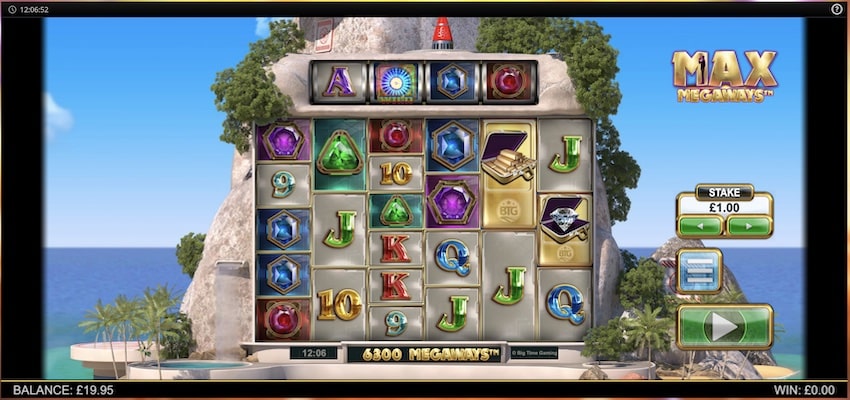
In Eye of Horus Megaways, the cascading mechanic is not just a function. It’s a stage for superstition. Every chain is monitored closely and read for meaning. A long cascading that yields a humble amount might be seen as the slot “teasing” or gathering up potential. The series of icons within the chain gets interpreted like a story. One concluding with a beetle could be a promise of revival and further wins on the path. Also the audio gov.uk and on-screen elements become part of the portent. Some players believe a specific musical prompt signals a feature phase is ready to appear.
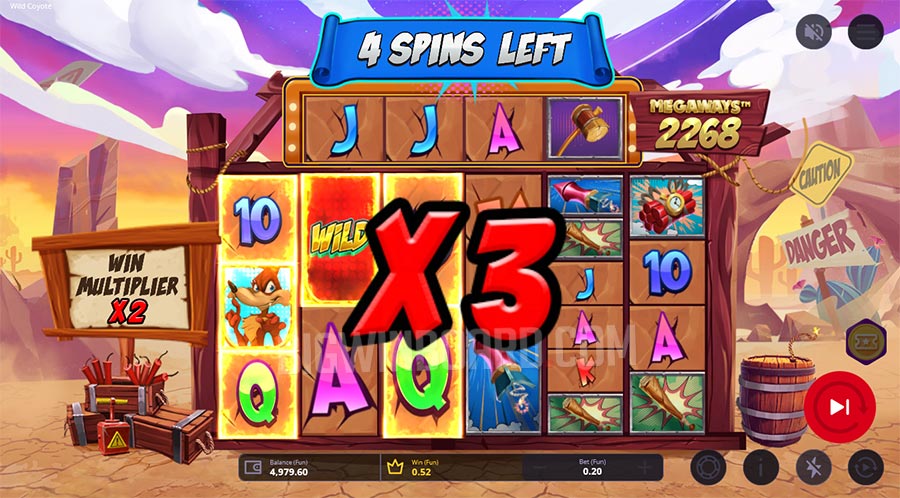
Activating the Free Spin feature is the highlight of this reading. Many are convinced the free spin is most likely after a period of “offering,” which signifies playing regularly through a quiet stretch. The certain symbol that starts it gets analysed. Did it land on the initial column or the last? This detail becomes player lore. Conduct during the bonus session itself is packed with ritual. Certain decline to use the quick-spin function during free games, fearing it might “offend” the gods. Other players have firm routines for the moment to activate the risk option on the prize multiplier. This constant analysis transforms the machine into a dynamic narrative to be deciphered, where any sparkle and noise is a likely message from the historic era.
Collective Myths and Shared Experiences
The beliefs around Eye of Horus Megaways are built in the UK’s lively online gambling community. Forums and streamer chat rooms function as modern campfires. Here, stories of wins and near-misses get passed around and transformed. In these spaces, a personal quirk turns into accepted community lore. A player might share a huge win that happened just after their cat walked across the keyboard. That triggers a wave of comments from others who now believe feline intervention is lucky. Streamers, playing live for an audience, often discuss their own rituals out loud. This normalises them for thousands of viewers. Phrases like “the Eye is hungry today” become code, creating a shared vocabulary that binds the community together with a common belief system.
This communal myth-making has a useful side. New players quickly adopt the prevailing superstitions. It gives them a ready-made set of strategies to manage the game’s volatility. Hearing a seasoned player detail their “three-spin test” provides a novice a organised way to start. Shared stories of wins that followed a certain pattern create deep cognitive biases. Importantly, this lore also offers comfort. A losing session can be recontextualised. It’s not a failure, but part of a larger cycle the game goes through. This collective narrative develops emotional resilience. It transforms the solitary act of playing a slot into a shared cultural experience, complete with its own legends and ways to soften a loss.
The Influence of Streamers and Influencers
Streamers and influencers are key in making superstitions persist around slots like this one. Their live-play sessions are public performances of ritual. A streamer might always open with a specific phrase, or use a particular bet size for “warm-up spins.” Their audience sees these habits play out alongside real wins and losses, which creates strong associations. When a big win follows a ritual, it validates that ritual for everyone watching. On top of that, streamers interact directly with their viewers, talking about superstitious feelings as they happen. This heightens the sense that the game has an intangible “energy” or mood. By sharing these personal beliefs, streamers give them weight and legitimacy. It motivates viewers to adopt the practices themselves, weaving the streamer’s personal lore into the wider tapestry of what the community believes.
Psychological Relief in Randomness
Underneath it all, the prevalence of rituals around Eye of Horus Megaways addresses a basic mental need. It’s about creating order on randomness. Our brains are wired to seek patterns and a perception of agency, even where there are none. The Megaways engine, with its wildly variable results, is a perfect subject for this pattern-seeking. By creating rituals and relying on cycles, players construct a subjective framework of control. This “illusion of control” cuts down anxiety and makes the unpredictability of gambling simpler to handle. Tapping the screen or wearing a lucky bracelet doesn’t change the algorithm. But it does change the player’s emotional state. It fosters a positive outlook that boosts the entertainment annualreports.com value.
That psychological relief matters even more in a high-volatility game. Superstitions offer a narrative bridge over the gaps between wins. Instead of a pointless run of losses, the player lives a story. They are “warming up” the game or “waiting for the Eye to open.” This narrative converts patience into a form of active participation. For some, these beliefs can even promote more responsible play. A personal rule like “I only play while my lucky coin is on the desk” can form a natural stopping point. Nobody should misinterpret superstition for a real strategy. But its role in providing cognitive coping mechanisms and deepening the game’s theme is a big part of why it stays so attractive to the UK gaming community.
Striking a balance between Superstition with Responsible Play
Engaging with the deep folklore of Eye of Horus Megaways can make the game more entertaining. But UK players must balance these beliefs with safe gambling principles. Superstition can blur lines. A lighthearted ritual can become a dangerous misconception if a player comes to truly believe their actions impact the outcome. It’s essential to remember that every result comes from a certified Random Number Generator. No lucky charm, no particular time, no ritual can alter the underlying randomness of each spin. Players should be wary of the “gambler’s fallacy.” That’s the erroneous belief that past spins influence future ones, and it can be strengthened by mythical stories about the game “owing” a win.
Appreciating the folklore should go hand-in-hand with practical safeguards. The most powerful “good luck” charm is setting firm deposit, time, and loss limits beforehand. These limits should be grounded in what you can afford, not on lucky numbers. Think of any session as money spent on entertainment, not an betting strategy dictated by omens. If you catch yourself chasing losses or playing longer just to see through a ritual cycle, those are danger signals. The community lore should be a means of fun and connection, not pressure. By mindfully framing superstitions as part of the game’s theme and social fun, players can take care of their wellbeing while diving into the captivating world of Eye of Horus Megaways.
The Lasting Power of a Icon
The path of the Eye of Horus symbol says a lot. It moved from an ancient amulet to a vibrant slot centerpiece, and its power remains. In the UK, it has transcended its digital function to become a central focus for player-generated belief. The Megaways format, with its dramatic swings, delivers the perfect volatile canvas for these superstitions to unfold. What we get is a fascinating cultural hybrid. A 21st-century digital pastime is driven by enduring human impulses to discover meaning and craft stories. The game excels not only because of its mathematical potential, but because it offers a mythology players can actually inhabit. They form personal rituals that bring a layer of depth to every single spin.
This whole phenomenon underscores a broader truth about UK gaming culture. Players aren’t inactive. They form communities and develop personalised relationships with the games they love. The superstitions around Eye of Horus Megaways are testament to that engagement. They reveal how a resonant theme can encourage play that is imaginative, communal, and deeply layered. You might not personally believe in a ritual. But comprehending these practices provides a window into the creative ways players enrich their own entertainment, connecting through shared stories about the watchful Eye of Horus and its modern-day Megaways mysteries.