
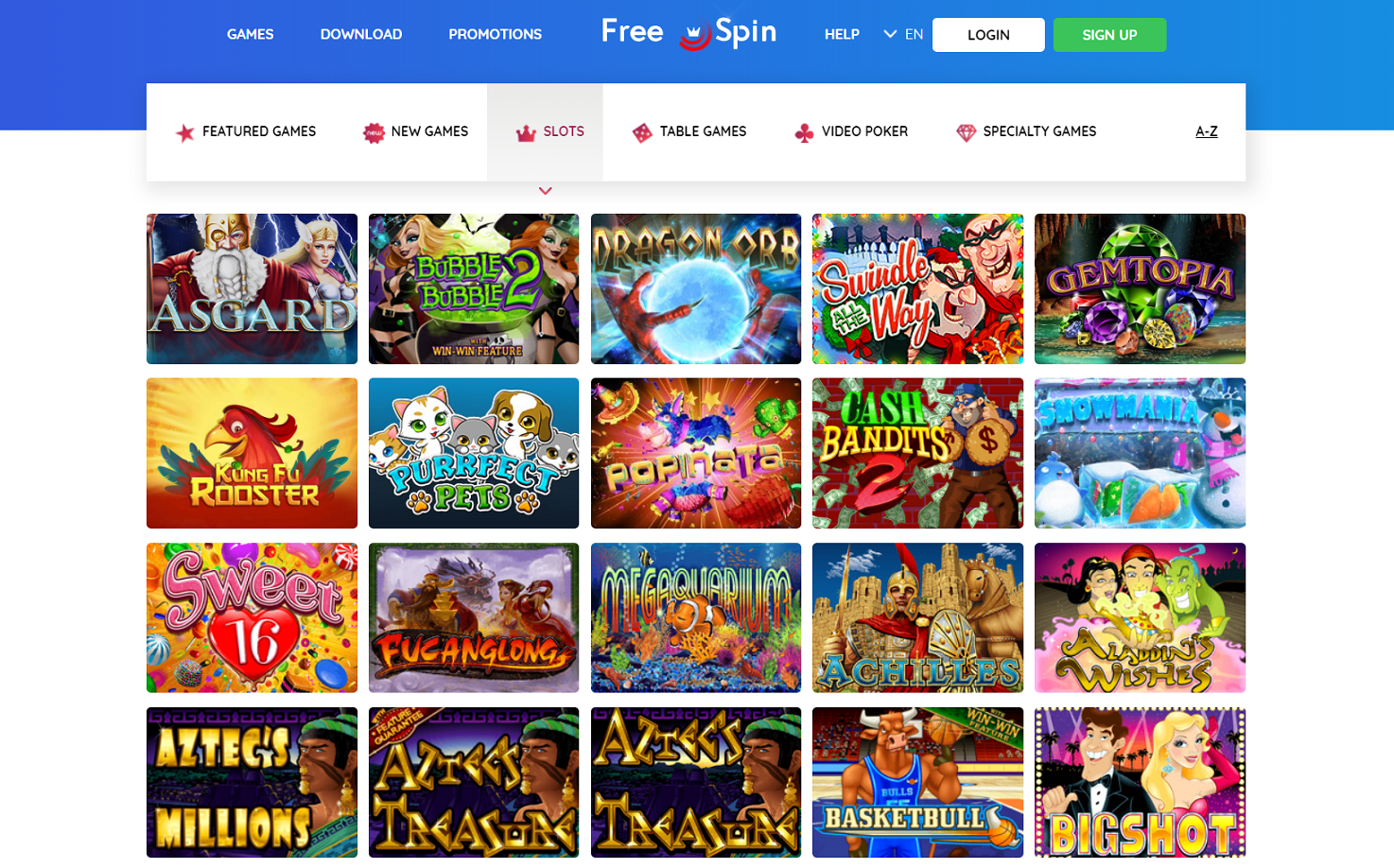
My first encounter with F7 Casino, the flashy design and vast array of gaming machines and real-time dealer games led me to believe that this site was designed to draw in players from the UK searching for something outside the GamStop network. I didn’t jump straight into depositing. Rather, I devoted two weeks digging into the terms, going through the verification process, verifying the license registry, and chatting with support the way any cautious player would. The welcome bonus and the slick interface were the last things on my mind. My goal was to discover if the casino treats player money properly, whether the games are unbiased, and the reality when a cashout is delayed beyond the advertised time. It’s not a simple yes or no, and I’ll explain everything I discovered.
Gambler Feedback and Image Evaluation
I devoted effort to scanning discussion boards, online buzz, and review websites to stitch together the genuine gambler experience. The reviews are varied, as expected, but I noticed trends. Favorable reviews often highlight the game library and speedy crypto withdrawals. Negatives accumulate around slow card cashouts and restrictive bonus rules. I ignore one-off rants and concentrate on repeated, specific gripes. A number of UK-based players reported that winnings from a no-deposit bonus were cancelled after they breached a vague maximum bet clause. This type of condition enforcement seems exploitative, and I experienced a milder version myself.
Common Complaints on Message Boards
I sorted the most prominent issues into a distinct pattern. The top three: account verification stretching past 72 hours, bonus balance seizures over bet size limits that were never mentioned while playing, and no communication when a cashout was flagged for further inspection. In numerous cases, players only got their money after posting public complaints. That indicates to me the casino reacts to public reputation threats, not to its own published policies. Typical red flag. A safe platform shouldn’t need public shaming to honour its own terms, and that defensive posture makes me doubt the customer support system.
Responsible Gambling Tools and User Safety
I routinely check the responsible gambling page before even glancing at a bonus. F7 Casino has the usual tools: deposit limits, loss limits, wager limits, and a cooling-off option. I tested the deposit limit, and it engaged right away, which is the expected result. The self-exclusion option forces you to contact support, which is clunkier than an automated dashboard switch. There’s a quick responsible gambling quiz and links to external support, too. The tools are available, but they are not front and centre during sign-up, which I’d prefer. A platform that really values safety puts these controls prominently, not buried in a footer menu.
Voluntary Ban and Session Reminders
I started a temporary exclusion to see how it functioned. I had to send a specific message to support with the duration I desired. The agent managed it professionally and acknowledged the lock within an hour. But the casino failed to automatically cut off marketing emails during the exclusion, which is a big oversight. I had to manually unsubscribe. For someone in a fragile state, that gap could be damaging. Reality checks, those pop-ups that remind you how long you’ve been playing, were not switched on by default. I had to dig in account settings to enable them. These aren’t safety features you should have to hunt for; they belong in the onboarding flow.
Funding Methods and Secure Transactions

I placed a minor deposit with a Visa debit card and then with a cryptocurrency wallet just to test the system. The credit card payment went through a external processing gateway, and the funds appeared in seconds. The cryptocurrency deposit took a few minutes for network confirmations. Superficially, the banking section worked fine. After that I examined the payment terms for hidden fees. The website claims zero fees on most payment options, and I faced no additional fees in my test. Yet the genuine test of safety is when you try to pull money out, and I certainly didn’t ignore that.
Funding
Licensing and Supervisory Scope
A clear, confirmable licence is the primary thing I verify on any online casino. F7 Casino displays a badge from the Government of Curacao, a well-known regulator for offshore operators aiming at international markets. I checked the licence number through the Curacao eGaming portal and it’s active. But I must be straight about what a Curacao licence really means. It doesn’t mandate the same separation of player funds, independent dispute resolution, or tight advertising standards that the UK Gambling Commission imposes. Supervision is looser, and if things go wrong, you have much fewer avenues to turn than you would with a UKGC-licensed site.
The Actual Situation of a Curacao License
I’ve examined dozens of Curacao-licensed casinos, and they commonly share the same setup: a master licence holder issues sub-licences, and the regulator rarely steps into individual player disputes. That doesn’t immediately make F7 Casino a scam, but it puts the weight directly on you to trust the operator’s own rules. I queried support about the exact sub-licence holder and how a dispute would be resolved. I obtained a polite, vague answer that pointed me to the terms page. I can’t overlook that kind of avoidance when real cash is on the line.
What This Signifies for UK Players
UK players aren’t breaking the law by signing up on a Curacao-licensed site, but you’re giving up every consumer protection layer the UKGC provides. No ADR scheme, no mandatory funding limits, no ombudsman to appeal to. If F7 Casino unexpectedly freezes your account or delays a £2,000 withdrawal, you’re banking on the casino’s goodwill, not a regulatory framework. I’m not attempting to frighten you; I’ve just seen too many situations where a Curacao licence turned out to be a shield, not a safety net. It’s the greatest risk to evaluate before depositing.
Security Framework and Data Safeguarding
Apart from licensing, I poked at the technical security. I used browser dev tools and a couple of external scanners to verify the site uses a valid TLS 1.3 certificate with strong encryption, so your connection is safeguarded from snooping. The firewall config seemed clean, and I found no outdated plugins or known vulnerabilities in the front-end. I consistently go a step further. I checked what data they request during registration and how they assert to store sensitive files. The privacy policy, buried in legalese, guarantees not to sell personal data to third parties, which is a benchmark I never skip. But promising and demonstrating are separate things when you can’t inspect the backend.
TLS Encryption and Firewall Protection
A padlock icon in the address bar by itself is insufficient. I submitted the domain through several SSL analyzers and tested for typical misconfigurations. The chain of trust is complete and the certificate is issued from a well-known authority. I also monitored network traffic during a live session and didn’t spot mixed content loading insecurely, a flaw I notice on many flashy casino sites. That suggests the dev team treats basic web security as a priority. But backend server hardening is a separate beast, and I cannot examine that from outside. So I’m basing this on the fact that there are no public breach reports, which is positive so far, though the brand hasn’t been operating long.
Casino Fairness and RNG Auditing
I spent hours browsing the slots lobby, opening dozens of titles from industry giants such as Pragmatic Play, Evolution, and NetEnt. These studios serve thousands of casinos worldwide, and their RNGs are tested and certified by third parties. As you play a authentic NetEnt game at F7, the result comes from the provider’s server, not from the casino. This is a significant safety measure since it prohibits the operator from tampering with results. I confirmed that the game client typically loads directly from the provider’s CDN, which is exactly what I like to see. I additionally cross-referenced a several game versions to ensure the loading domains matched the official studio sources.
RNG Verification and Audit Logs
I hunted for RTP certificates and verification seals within the game help files. For several slot games, I verified the listed RTP with official provider documents, and the numbers lined up. Live dealer tables from Evolution’s studios provide an additional layer of transparency since you observe each hand and spin in real time. I noticed, however, that F7 Casino doesn’t publish its own aggregated payout reports, something you’ll find on many UKGC-licensed sites. Without those, you are depending only on the developers. Such independent reporting would give players another checkpoint beyond trusting the game providers. Not a deal breaker, but it’s a gap in transparency I’d flag.
Red Flags and Red Flags to Watch For
I keep a review checklist, and F7 Casino ticked a few boxes I’d be careless to skip. No single item indicates “scam,” but together they reveal an operator that leans towards friction when it’s time to pay. A Curacao licence with no ADR provider, bonus forfeiture clauses that are written in fog, no automated self-exclusion during sign-up, and withdrawal delays that seem deliberate—that cluster requires caution. I also spotted that the ownership details are hidden behind a standard privacy shield, making it hard to identify the ultimate beneficial owner. That’s a structural red flag I never brush off. If you can’t determine who’s pocketing the profits, you can’t hold anyone accountable.
Vague Bonus Terms
I pored over the bonus terms for the welcome offer and ongoing promos. Several clauses allow the casino yank bonus winnings if they decide you’ve participated in “irregular play.” The definition is slippery; it includes low-risk betting patterns that are allowed in many regulated markets. When the house retains that much discretion, it’s a safety hazard. They can void your winnings after the fact based on a vague idea. I queried support for a precise definition, and the answers looped back to the same fuzzy terms. If you can’t comprehend the rules before you bet, you’re betting on the house’s mood, not the games. That lack of clarity is a direct threat to your bankroll.
Below are the particular red flags I record for any platform, with F7 Casino’s status in mind:
- A license from a authority that grants inadequate player protection and zero mandatory independent arbitration.
- Payout timeframes that the casino can extend at will, with no penalty.
- Bonus terms that give the operator extensive discretion to forfeit earnings based on vague play patterns.
- The absence of visible, automated self-exclusion link during sign-up.
- A murky corporate structure with no identifiable beneficial owner published anywhere public.
Ambiguous Possession Details
I always trace the company behind a casino. F7 Casino’s footer references a vague holding name, but a deeper probe reveals a chain of shell-like registrations. The domain WHOIS is privacy-guarded, which is standard, but combined with the absent About Us page that would list top management, I’m left staring at an anonymous operator. As far as I’m concerned, that’s a significant credibility problem. You can’t hold a company to account if you have no clue who’s behind it. A player who values security should see this as a major gap, not a minor slip. I cannot truly endorse a platform that hides its anonymous faces.
If you opt to move forward, I’d suggest making a tiny deposit and trialing every system I’ve walked through. Screenshot every promise support offers, grab copies of active bonus terms, and don’t let a large balance sit in your account any longer than you have to. Those are the practical steps I’d take, and after all the weeks I spent investigating, I’d employ every single one of them with F7 Casino.
Help Desk Responsiveness and Complaint Management
The customer service is frequently your main lifeline when things go wrong. I used live chat at different hours with numerous questions, from specific game fairness queries to a fake complaint about a delayed payout. The first answer came in under a minute, which is strong. The agents were courteous, but when I pressed for specifics about an ADR provider or the formal complaint steps, the chat hit a wall. I got shunted to the finance department or told to check the terms. That deflection, while standard, is a major weakness because it means there’s no structured escalation path outside the company’s own chain of command. No third-party mediator, no arbitrator. Just their in-house team, which is a serious safety hole.
Instant Messaging Response Times
I don’t just measure the first greeting; I measure how long it takes to get a genuine answer. For straightforward stuff like a password reset or a bonus wagering question, the team gave accurate info within three minutes. I tried both mobile and desktop chat, and the connection held steady. That kind of dependability works for everyday hiccups. But when I asked a detailed question about the master licence holder’s responsibilities, the agent clearly had to check a script or ask a supervisor, and the ultimate answer was too vague. That lack of expertise could leave you in a bind if you ever need to contest a point with concrete facts.
Written Support and Escalation
I also dispatched an email to test the text-based channel https://f-7casino.uk.com. The answer came back in 14 hours, within the stated 24-hour window. The answer was more comprehensive than the live chat responses, with a ticket number and an option to follow up if needed. The drawback: neither channel gave me a path to an third-party mediator. The terms say disputes are handled within the company, and if you’re still not satisfied, you have to seek redress in Curaçao. That’s ridiculous for a UK player. A security-conscious operator would partner with a acknowledged third-party mediation service; F7 Casino hasn’t.
Identity Confirmation and KYC Protocols
KYC checks are mandatory by law, and any casino that skips them is a cause for concern. F7 Casino asks for identity verification, address, and sometimes a source of funds statement. I uploaded a redacted utility bill and a scanned passport through their secure portal. The upload was simple, but the human verification dragged past the 48-hour window the team had promised. I contacted them two times. The compliance department ultimately cleared my documents, but the back-and-forth left me questioning how they’d handle a case where the images weren’t perfectly sharp. A slow or overly fussy KYC process can be exploited to frustrate withdrawals, and I’m still careful.
Paperwork Delivery and Confidentiality Worries
I dug into the privacy policy’s file storage and retention section because I’m always uncomfortable about uploading sensitive ID to an overseas company. The terms indicate documents reside on secured servers and get deleted once the partnership finishes, but there’s no external check validating that information lifecycle. I’d rest easier if they utilized a professional ID checking system with its own compliance stamps. As things stand, you’re relying heavily in an provider whose storage hub and legal home fall outside stringent European privacy laws like GDPR, even if they say they adhere to them. Without an independent audit, you’re taking their word for it, and that’s a leap I’m not at ease with.